GROW

Cultivate Abundance From Any Space

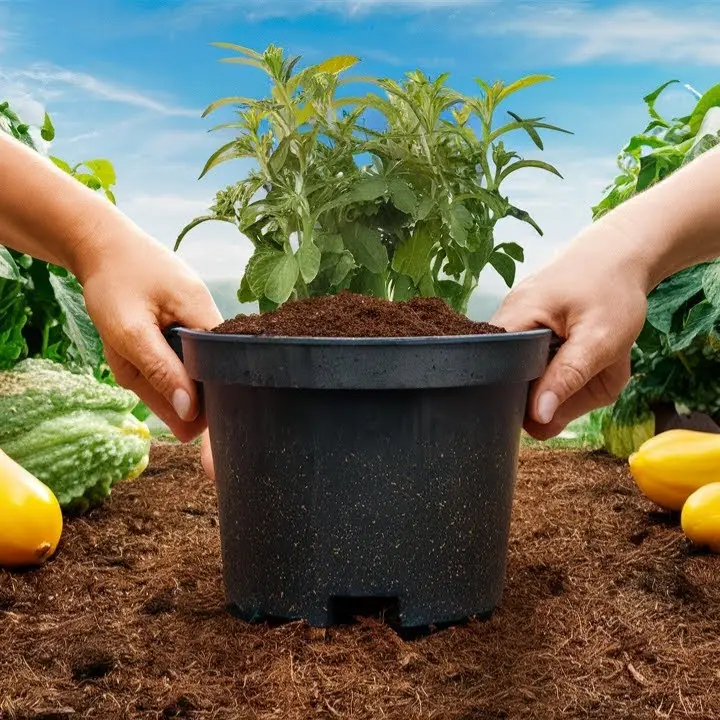
Growing your own food is the foundation of homesteading, and it starts exactly where you are. A single tomato plant in a container can spark a journey that transforms your relationship with food, seasons, and the living earth beneath your feet.

Start With the Soil

Healthy plants grow from healthy soil. Whether you’re working with red clay, sandy loam, or container mixes, building soil fertility through compost, cover crops, and natural amendments creates the foundation for thriving gardens. We teach you to read your soil, understand its needs, and improve it naturally year after year.

Work With Nature

Companion planting pairs vegetables that support each other; basil protects tomatoes from pests, and beans fix nitrogen for hungry corn. Crop rotation prevents disease buildup while maintaining soil balance. Succession planting keeps harvests flowing continuously rather than overwhelming you with gluts.

Grow What You Love

Start with vegetables your family actually eats. Master those before expanding. Heirloom varieties offer superior flavor and seed-saving opportunities. Herbs provide fresh seasonings, medicinal benefits, and pollinator support.

Adapt to Your Space

Balconies support container gardens. Small yards accommodate raised beds and vertical growing. Acreage allows row crops, orchards, and experimental polycultures. The principles remain constant; only the scale changes.

From Seed to Harvest!

We guide you through every stage: starting seeds indoors, hardening off transplants, managing water and nutrients, identifying pests and diseases, and knowing when to harvest for peak flavor. Season by season, you’ll build knowledge, confidence, and an abundant harvest that feeds both body and soul.
PRESERVE

Extend the Harvest, Stock the Pantry

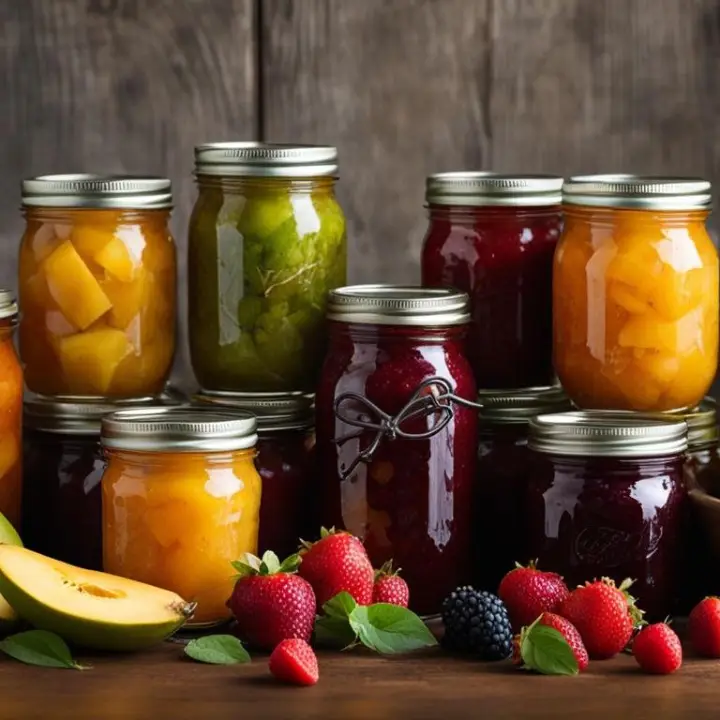
A successful garden produces abundance, more tomatoes than you can eat fresh, zucchini that multiplies overnight, and berries ripening all at once. Preservation transforms these seasonal gluts into year-round nourishment, preventing waste while building food security and pantry independence.

Canning: Shelf-Stable Security

Water bath canning preserves high-acid foods—tomatoes, jams, pickles—safely and reliably. Pressure canning handles low-acid vegetables, meats, and soups. We teach proper techniques, safety protocols, and troubleshooting to ensure every jar seals perfectly and stores safely for months.

Fermentation: Probiotic Powerhouse

Sauerkraut, kimchi, pickles, and fermented hot sauces preserve vegetables while creating beneficial probiotics that support gut health. This ancient technique requires minimal equipment—just salt, vegetables, and time. The tangy, complex flavors elevate simple meals into something extraordinary.

Dehydrating: Concentrated Goodness

Sun-dried tomatoes, fruit leather, dried herbs, jerky, and mushrooms can be stored compactly without refrigeration. Dehydrators offer controlled temperature and consistent results. We cover proper drying times, storage methods, and rehydration techniques.

Cold Storage: Nature’s Refrigerator

Root cellars, unheated basements, and garage corners can store winter squash, potatoes, carrots, apples, and cabbage for months without processing. Understanding temperature, humidity, and ventilation requirements maximizes storage success.

Freezing: Quick Preservation

Blanching vegetables before freezing maintains color, texture, and nutrition. Proper packaging prevents freezer burn. We share techniques for pre-freezing berries, flash-freezing herbs in oil, and organizing chest freezers efficiently.

Master Preservation Basics!

Start simple with freeze berries, can tomato sauce, ferment one jar of pickles. Build skills gradually. Each preserved jar represents food sovereignty, reduced grocery costs, and the satisfaction of eating summer’s sunshine in February.

NOURISH

Nourishment That Supports How You Live

Growing food is only half the story. Transforming your harvest into nourishing meals, healing remedies, and wholesome body care products completes the homesteading circle; connecting garden to table to wellness with intention and care.

Seasonal Eating

When you grow your own food, meals naturally align with seasons. Spring brings tender greens and fresh herbs. Summer overflows with tomatoes, peppers, and zucchini. Fall delivers hearty squashes and root vegetables. Winter relies on preserved harvests and stored crops. This rhythm provides optimal nutrition while reducing food boredom.

Traditional Foods

Bone broths, fermented vegetables, soaked grains, and cultured dairy offer superior nutrition and digestibility. These time-tested preparations honor ancestral wisdom while supporting modern health. We share recipes, techniques, and the science behind why these foods nourish so deeply.

Herbal Medicine

Your garden grows a pharmacy alongside food. Calendula salves heal cuts and burns. Elderberry syrup fights winter colds. Chamomile tea soothes digestion and anxiety. Peppermint relieves headaches. We teach identification, harvesting, preparation, and safe usage of common medicinal herbs.

Natural Body Care

Ingredients from your homestead create effective, chemical-free personal care products. Beeswax and oils become lip balm and lotion. Herbs infuse into healing salves. Lavender and oatmeal make a gentle soap. Mint and rosemary create invigorating hair rinses.

Preserve Nutritional Value

Different preservation methods affect nutrients differently. Freezing retains vitamin C better than canning. Fermentation increases B vitamins and bioavailability. Dehydrating concentrates minerals. Understanding these nuances helps you choose preservation methods that maximize both flavor and nutrition.

Nourish Wholly for Daily Strength & Well-Being

Food grown with your hands, prepared with intention, and shared with gratitude feeds more than bodies as it nourishes spirits, strengthens community bonds, and creates the foundation for resilient, vibrant health.

BUILD

Create Infrastructure That Lasts

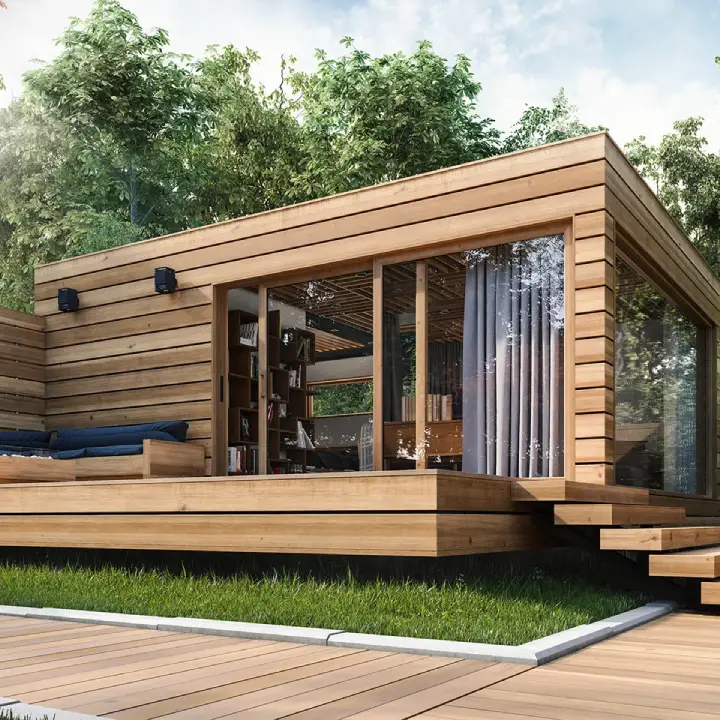
Every homestead needs infrastructure, raised beds for vegetables, coops for chickens, composting systems for fertility, storage sheds for tools, and rainwater catchment for irrigation. Building these systems, yourself saves money, allows customization, and develops valuable skills that serve you for decades.

Start with Quality Plans

Good design prevents costly mistakes. We provide tested blueprints for essential structures scaled from small urban lots to multi-acre homesteads. Each plan includes material lists, cut diagrams, assembly instructions, and modification suggestions.

Work with Reclaimed Materials

Pallets become compost bins. Old fence boards build raised beds. Salvaged windows create cold frames. Reclaimed metal roofing covers chicken coops affordably. We teach you where to source materials cheaply and which projects suit reclaimed lumber better than new.

Raised Bed Basics

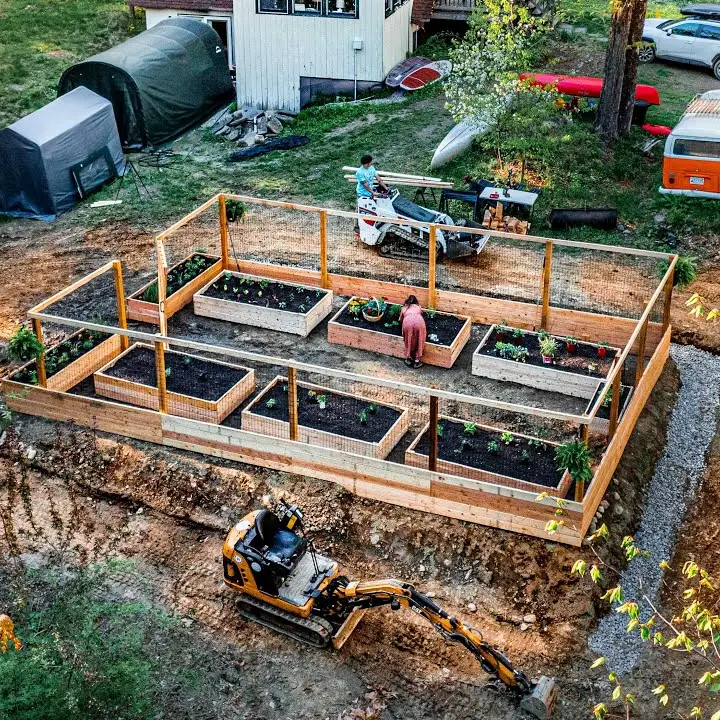
Elevated planting beds improve drainage, warm the soil earlier, reduce bending, and look tidy. Cedar and cypress resist rot naturally. Proper dimensions (4 feet wide maximum for easy reach) and depth (12 inches minimum) ensure success.

Chicken Coop Essentials

Coops need adequate space (4 square feet per bird indoors, 10 square feet outdoor run), proper ventilation without drafts, secure predator protection, easy cleaning access, and multiple nesting boxes. We walk you through design considerations and construction steps.

Composting Systems

Simple piles work fine, but bins contain mess and accelerate decomposition. Three-bin systems allow active composting, curing, and finished compost simultaneously. Designs range from basic wire cages to polished cedar constructions.

Build Confidence That Moves You Forward!

Start simple with a single raised bed and a basic compost bin. Each completed project builds skills and confidence. Soon you’ll tackle larger structures: greenhouse frames, tool sheds, cold frames, livestock shelters. Your homestead grows with your abilities.

LIVE

Embrace the Homestead Rhythm…

Homesteading is more than techniques and infrastructure; it’s a way of being that reconnects you with natural rhythms, develops self-reliance, and cultivates resilience in an uncertain world. Living the homestead life means making daily choices aligned with sustainability, mindfulness, and intentional simplicity.

Seasonal Alignment

Spring’s energy invites planting and expansion. Summer demands maintenance and harvesting. Fall calls for preservation and preparation. Winter offers rest, planning, and skill-building. Working with these cycles rather than against them creates sustainable productivity and prevents burnout.

Develop Self-Reliance

Each skill mastered including growing food, preserving harvests, repairing tools, keeping chickens, reduces dependence on fragile supply chains. Self-reliance isn’t about isolation; it’s about capability, confidence, and the freedom that comes from knowing you can provide for your basic needs.

Practice Regenerative Stewardship

Homesteading at its best improves land rather than depleting it. Composting returns nutrients. Cover crops build soil. Diverse plantings support pollinators and beneficial insects. Rotational grazing heals pastures. You become a steward, not just a consumer, leaving your land richer than you found it.

Cultivate Community

Self-sufficiency exists in balance with interdependence. Share surplus harvests. Trade skills with neighbors. Participate in seed swaps and tool libraries. Strong communities create resilience that isolated households never achieve.

Find Joy in Simplicity!

Homesteading teaches presence, watching seeds germinate, tasting sun-warmed tomatoes, hearing chickens contentedly cluck, seeing jars of preserved food lined on shelves. These simple moments ground you, connect you to the cycles of life, and remind you what truly matters.

This is the homestead life. – Simple. Sustainable. Deeply satisfying.